Ranked: Countries With the Least Fresh Water Per Person
排名:人均淡水资源最少的国家
Key Takeaways 关键要点 科威特境内没有河流和湖泊,人均可再生内部淡水资源为0立方米,是全球最低的国家。 人均淡水资源最少的20个国家中,7个位于中东,另有7个位于非洲。 欧洲和美洲各只有一个国家进入榜单:马耳他排名第 12,巴巴多斯排名第20。 |
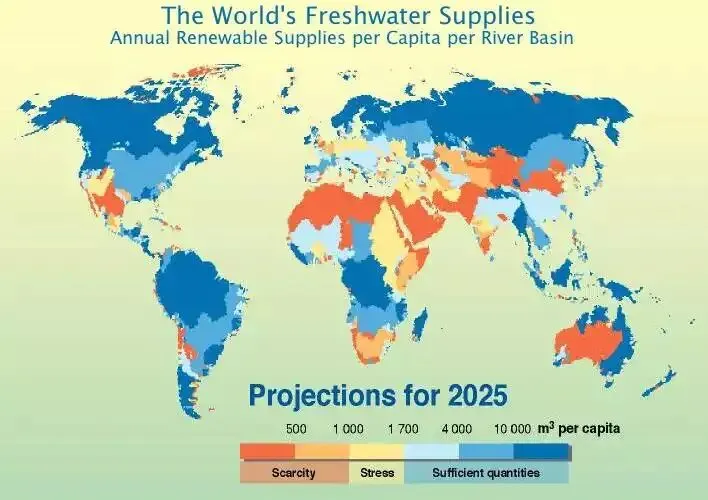
Fresh water is one of the world’s most unevenly distributed yet vital natural resources.
淡水是地球上最重要、却又分布最不均衡的自然资源之一。
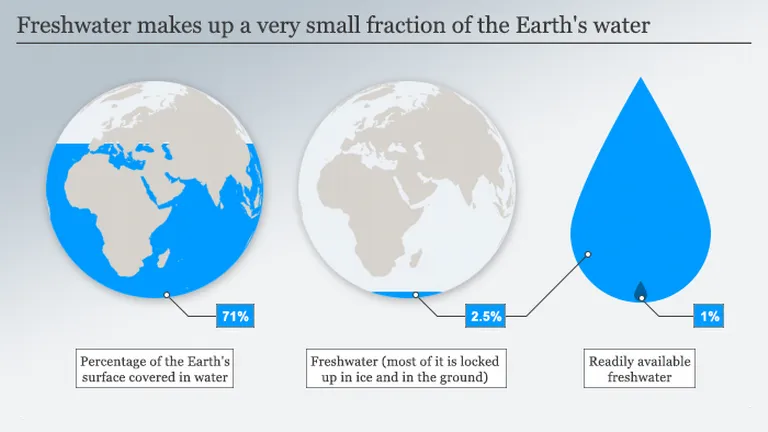
Although only about 1% of the world’s fresh water is readily available for human use, some countries have large river systems, lakes, and rainfall patterns that provide abundant renewable supplies. Others must rely on limited groundwater, desalination, or imported food and goods to reduce pressure on scarce local resources.
尽管全球淡水资源中真正能够直接供人类利用的仅约1%,但不同国家之间的水资源禀赋差异极大。一些国家拥有庞大的河流系统、湖泊和充沛降水,能够持续获得丰富的可再生淡水;而另一些国家则不得不依赖有限的地下水、海水淡化,或通过进口粮食和其他商品来缓解本地水资源的压力。
This visualization ranks the countries with the least renewable internal freshwater resources per person in 2022, the latest available data as of July 2026. The data comes from the World Bank via Our World in Data and is measured in cubic meter of renewable internal freshwater resources per capita.
本图表根据2022年(截至2026年7月可获得的最新数据) 对全球人均可再生内部淡水资源最少的国家进行了排名。数据来源于世界银行,经Our World in Data整理,单位为立方英尺。
Kuwait Has the World’s Lowest Domestic Freshwater Availability
科威特:全球本土淡水资源最匮乏的国家
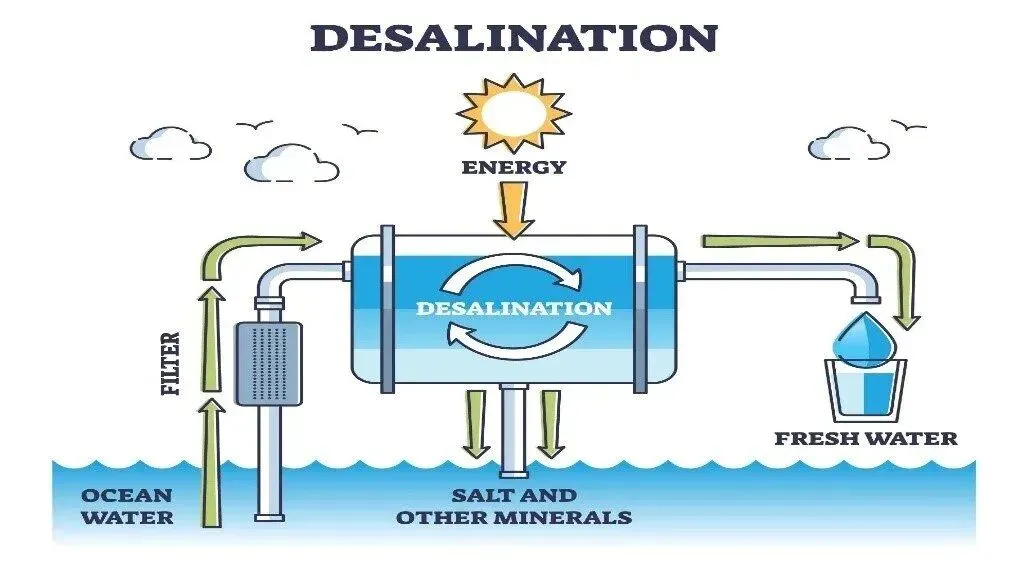
With virtually no freshwater resources, Kuwait ranks first among countries with the least renewable internal freshwater resources per person. The country has no rivers or lakes, leaving it dependent on desalinated seawater to meet its drinking water needs.
科威特几乎没有可利用的天然淡水资源,因此在人均可再生内部淡水资源最少的国家中位居第一。由于全国没有河流和湖泊,其饮用水供应主要依赖海水淡化。
Rank排名 | Country国家 | Cubic Meters of Freshwater Per Person人均淡水资源(立方米) | Region地区 |
1 | Kuwait科威特 | 0 | Middle East中东 |
2 | Bahrain巴林 | 3 | Middle East中东 |
3 | Egypt埃及 | 9 | Africa非洲 |
4 | UAE 阿联酋 | 15 | Middle East中东 |
5 | Qatar卡塔尔 | 21 | Middle East中东 |
6 | Yemen也门 | 55 | Middle East中东 |
7 | Maldives马尔代夫 | 57 | Asia亚洲 |
8 | Jordan约旦 | 61 | Middle East中东 |
9 | Saudi Arabia沙特阿拉伯 | 75 | Middle East中东 |
10 | Sudan苏丹 | 81 | Africa非洲 |
11 | Mauritania毛里塔尼亚 | 82 | Africa非洲 |
12 | Malta马耳他 | 95 | Europe欧洲 |
13 | Libya利比亚 | 97 | Africa非洲 |
14 | Singapore新加坡 | 106 | Asia亚洲 |
15 | Niger尼日尔 | 138 | Africa非洲 |
16 | Turkmenistan土库曼斯坦 | 194 | Asia亚洲 |
17 | Pakistan巴基斯坦 | 226 | Asia亚洲 |
18 | Algeria阿尔及利亚 | 247 | Africa非洲 |
19 | Djibouti吉布提 | 264 | Africa非洲 |
20 | Barbados巴巴多斯 | 283 | Americas美洲 |
— | Global Average全球平均 | 5,400 | — |
Nearby, Bahrain ranks second with just 93 cubic feet of fresh water per person. Egypt, the first African nation in the ranking, follows in third place with 314 cubic feet per person, despite the Nile River flowing through it.
紧随其后的是巴林,人均淡水资源仅3立方米。排名第三的是埃及,也是榜单中首个进入前列的非洲国家,人均淡水资源仅9立方米,尽管世界第一长河流尼罗河贯穿该国。
The gap between these countries and the global average of 190,700 cubic feet per person is massive—more than 2,000 times Bahrain’s level.
这些国家与全球平均水平5400立方米/人之间存在着惊人的差距:仅巴林的人均淡水资源,就比全球平均水平低2000倍以上。
The Middle East Dominates the Ranking
中东几乎包揽榜单前列
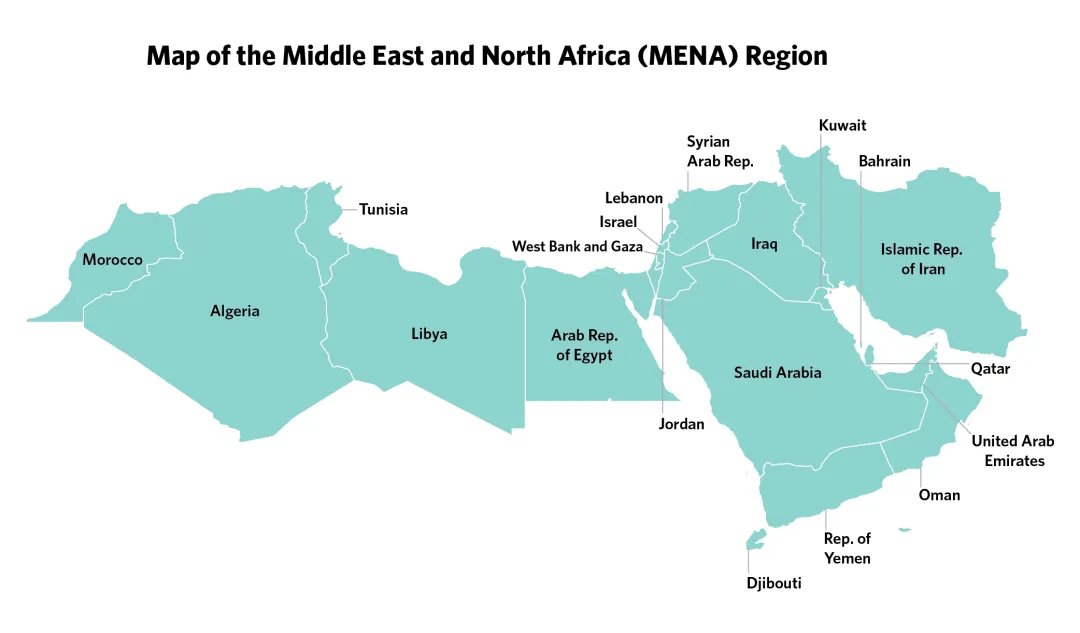
The Middle East accounts for seven of the 20 countries with the least fresh water per person. These are Kuwait, Bahrain, the United Arab Emirates (UAE), Qatar, Yemen, Jordan, and Saudi Arabia.
中东地区共有7个国家进入人均淡水资源最少的前20名,分别是:科威特、巴林、阿联酋、卡塔尔、也门、约旦和沙特阿拉伯。
Several are among the driest countries in the world, with limited rainfall and few permanent surface water sources.
其中不少国家属于全球最干旱的地区,降雨稀少,几乎没有稳定的地表水来源。
This helps explain why desalination and water management are central to the region’s infrastructure. For many Middle Eastern countries, water security depends largely on technology, imports, and conservation.
这也解释了为何海水淡化和水资源管理成为中东国家基础设施建设的核心。对许多中东国家而言,水安全更多依赖于技术能力、国际贸易和严格的节水措施,而非天然水资源。
Freshwater Scarcity Extends Beyond the Middle East
淡水短缺并非中东独有
Africa also has seven countries in the top 20, matching the Middle East’s total. Egypt, Sudan, Mauritania, Libya, Niger, Algeria, and Djibouti all appear on the list.
非洲同样有7个国家进入前20名,与中东数量相同,分别是:埃及、苏丹、毛里塔尼亚、利比亚、尼日尔、阿尔及利亚和吉布提。
The Asian countries with the least fresh water per capita are the Maldives, Singapore, Turkmenistan, and Pakistan. Despite ranking 16th, Turkmenistan has the world’s highest per-capita water use, driven by its cotton industry and extensive irrigation withdrawals from the Amu Darya River.
亚洲进入榜单的国家包括马尔代夫、新加坡、土库曼斯坦和巴基斯坦。值得注意的是,尽管土库曼斯坦仅排名第16,但它却是全球人均用水量最高的国家,主要原因在于其棉花产业高度依赖灌溉,并大量从阿姆河取水。
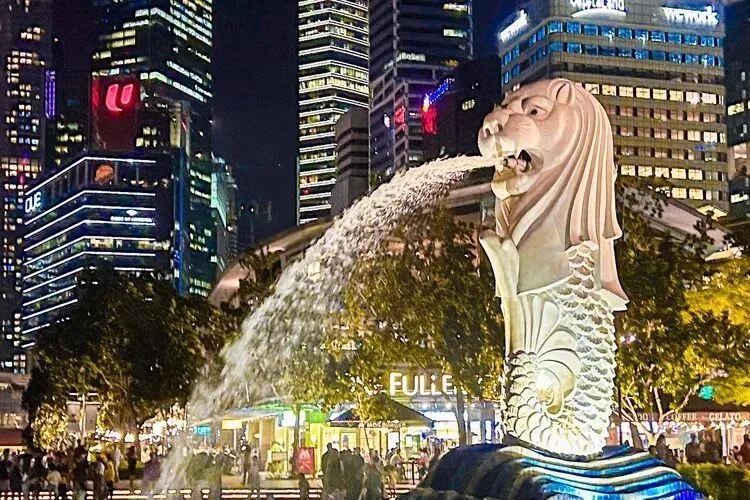
Singapore, with just 3,800 cubic feet of fresh water per person, is another notable case because of its limited land area and few natural water resources relative to its population of more than six million.
新加坡则是另一个典型案例。其人均淡水资源仅106立方英尺,原因并非极端干旱,而是 国土面积狭小、天然水资源有限,而人口超过600万,使得人均可获得淡水资源十分紧张。
Small island nations can also face significant freshwater constraints. Malta, the only European nation in the ranking, ranks 12th with 3,400 cubic feet per capita, while Barbados, the only representative from the Americas, rounds out the top 20 with 10,000 cubic feet per person.
一些小型岛国也面临严重的淡水约束。马耳他是榜单中唯一的欧洲国家,以95立方米/人 排名第12;巴巴多斯则是美洲唯一进入前20的国家,以283立方英尺/人位列第20。
Most Countries on the List Are Far Below the Global Average
榜单中的大多数国家远低于全球平均水平
Among the 20 countries shown, 15 have less than 5,000 cubic feet of renewable internal fresh water per person, placing them at a tiny fraction of the global average.
在这20个国家中,有15个国家的人均可再生内部淡水资源不足141.6立方米(5000立方英尺),仅相当于全球平均水平的一小部分。
Inadequate freshwater access not only threatens public health but can also constrain economic development by limiting agriculture and contributing to geopolitical tensions over water resources.
淡水资源不足不仅会威胁公共健康,还可能限制农业发展、制约经济增长,并加剧围绕水资源展开的地缘政治竞争。
These figures highlight that water scarcity is not just about total national supply. Population size, geography, and climate all shape how much renewable fresh water is available per person, with scarcity likely to worsen in the future.
这些数据表明,水资源短缺并不仅仅取决于一个国家拥有多少淡水总量。人口规模、地理条件和气候环境共同决定了人均可获得的可再生淡水资源,而随着人口增长和气候变化加剧,未来许多国家的水资源压力可能还将进一步恶化。