海南自贸港红利初现!海口首度上榜百强,三亚仍在门外,双城命运迥异.
海南自贸港政策红利持续释放,海口凭借政策枢纽优势与现代服务业集群实现突破性进位,首次跻身百强榜单,标志着自贸港建设从政策蓝图走向实质落地。三亚虽享有国际旅游消费中心定位,但产业结构单一问题制约其综合竞争力,在榜单中仍处于追赶态势。这一对比折射出政策窗口期下,城市能否将制度创新转化为产业增量的分化路径。
Hainan Free Trade Port's policy dividends continue to be released. Haikou has achieved a breakthrough advancement by leveraging its policy hub advantages and modern service industry clusters, entering the top 100 list for the first time, marking the substantive implementation of the free trade port construction from policy blueprint to reality. Although Sanya enjoys the positioning of an international tourism consumption center, its single industrial structure constrains its comprehensive competitiveness, and it remains in a catch-up position on the list. This comparison reflects the differentiation path of whether cities can convert institutional innovation into industrial increments during the policy window period.
海口的上榜得益于自贸港制度优势的持续放大,离岸贸易、跨境金融、数字服务外包等新兴业态蓬勃发展,总部经济与国际会展产业形成千亿级规模集聚。依托零关税、低税率等核心政策工具,海口在航空维修、生物医药研发、国际教育等领域构建起差异化竞争优势,吸引大量高附加值企业落户。同时,作为省会城市的行政资源与交通枢纽地位,使其在承接政策红利转化方面具备天然优势,科创转化通道与配套服务体系逐步完善,内生增长动能持续增强。
Haikou's entry into the list benefits from the continuous amplification of the free trade port's institutional advantages. Emerging industries such as offshore trade, cross-border finance, and digital service outsourcing are developing vigorously, with headquarters economy and international exhibition industries forming a clustering scale of hundreds of billions. Relying on core policy tools such as zero tariffs and low tax rates, Haikou has built differentiated competitive advantages in aviation maintenance, biopharmaceutical R&D, and international education, attracting numerous high-value-added enterprises. Meanwhile, as the provincial capital, its administrative resources and transportation hub status provide natural advantages in undertaking policy dividend transformation, with technology commercialization channels and supporting service systems gradually improving, and endogenous growth momentum continuously strengthening.
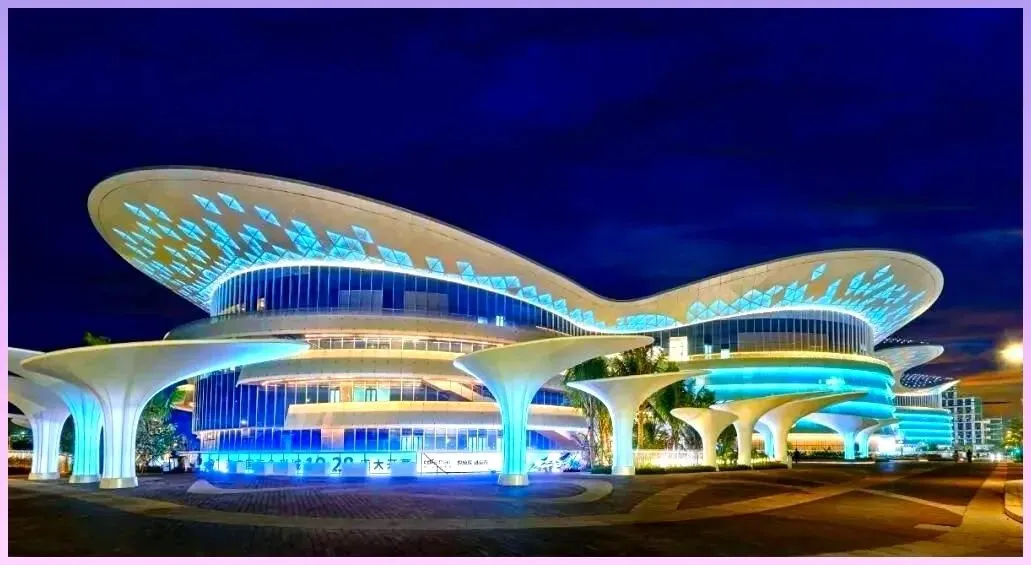
三亚虽然常年占据国内高端旅游市场领先地位,但并非停滞不前,而是面临产业结构过度依赖旅游服务业的瓶颈。与海口的多元化产业布局相比,三亚在高新技术、先进制造、现代金融等硬核产业领域的规模不及省会城市,产业附加值提升节奏偏慢。免税购物虽带动消费增量,但对城市综合经济体量的支撑作用相对有限。此外,科教资源储备薄弱、高端人才吸引力不足等短板,制约了其在产业转型升级中的竞争优势,导致在综合性城市排名体系中难以获得突破性进位。
Although Sanya has long occupied a leading position in the domestic high-end tourism market, it is not stagnant but faces the bottleneck of an industrial structure overly dependent on tourism services. Compared with Haikou's diversified industrial layout, Sanya's scale in hardcore industries such as high-tech, advanced manufacturing, and modern finance is inferior to the provincial capital, with a slower pace of industrial value-added enhancement. Although duty-free shopping drives consumption increments, its supporting role for the city's overall economic volume is relatively limited. In addition, weak reserves of scientific and educational resources and insufficient attractiveness to high-end talents constrain its competitive advantages in industrial transformation and upgrading, making it difficult to achieve breakthrough advancement in comprehensive city ranking systems.

双城分化直观证明,在政策密集赋能阶段,综合枢纽能级与产业多元化程度成为决定性因素。海口通过承接制度创新红利实现跨越式发展,证明省会城市在整合资源、孵化新兴业态方面的系统优势。三亚的困境则折射出单一支柱产业模式在应对经济复杂性挑战时的脆弱性。未来城市竞争的核心,在于能否构建"政策工具转化—产业集群培育—创新生态完善"的闭环系统,单纯依赖资源禀赋或传统优势的路径依赖,将难以支撑持续性排名提升。这一案例为其他政策试验区城市提供了重要参照:制度红利需与产业承载力同步升级,方能实现从政策受益者向区域增长极的跃迁。
The divergence between the two cities intuitively proves that during the policy-intensive empowerment stage, comprehensive hub capability and industrial diversification become decisive factors. Haikou's leapfrog development through undertaking institutional innovation dividends demonstrates the systematic advantages of provincial capital cities in integrating resources and incubating emerging industries. Sanya's predicament reflects the fragility of single-pillar industry models when facing economic complexity challenges. The core of future urban competition lies in whether a closed-loop system of "policy tool transformation—industrial cluster cultivation—innovation ecosystem improvement" can be constructed. Simple reliance on resource endowments or traditional advantages through path dependence will be difficult to support sustained ranking improvements. This case provides an important reference for cities in other policy experimental zones: institutional dividends need to be upgraded synchronously with industrial carrying capacity to achieve the transition from policy beneficiaries to regional growth poles.
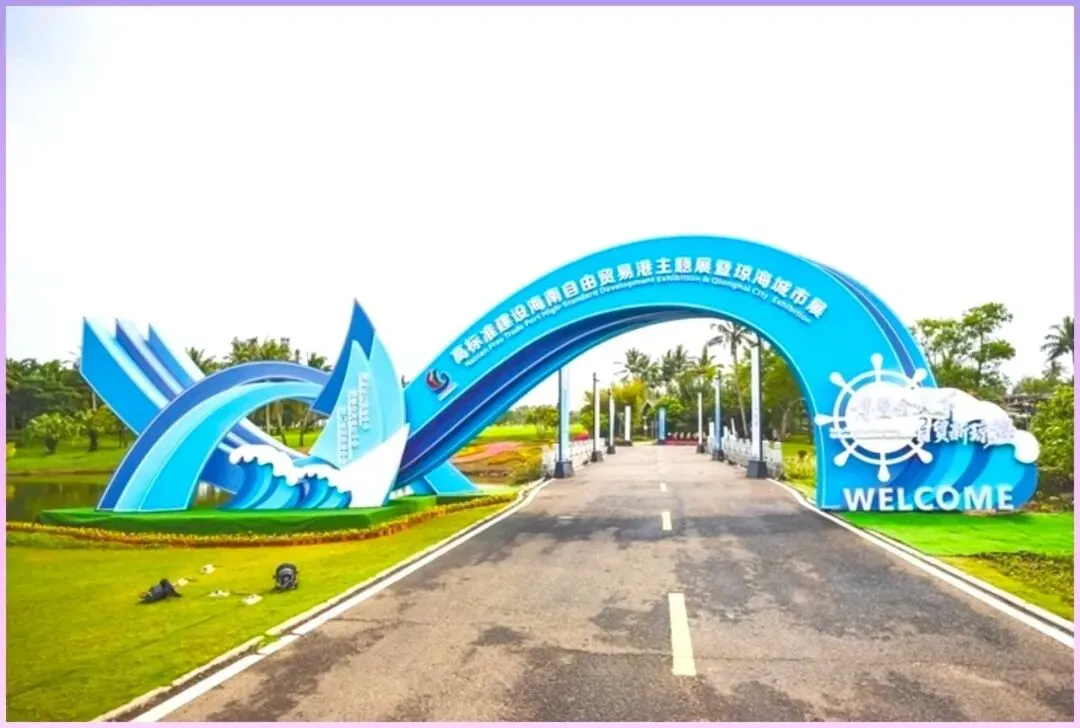
2026年制造业城市竞争格局出现标志性变化,佛山以第27名力压东莞第30名,这一排名分化折射出珠三角工业重镇的转型分野。作为传统家电制造基地,佛山凭借产业升级节奏与内生增长动能,在新一轮城市竞争中展现出更强韧性,而曾长期领先的"世界工厂"东莞则面临增长模式切换的阵痛期。这场排名逆转不仅是两座城市的竞争,更直观证明制造业城市的未来取决于能否从规模扩张转向质量提升。
The 2026 manufacturing city competitive landscape has seen a landmark shift, with Foshan ranking 27th ahead of Dongguan's 30th, a divergence reflecting the transformation divide among Pearl River Delta industrial powerhouses. As a traditional home appliance manufacturing base, Foshan has demonstrated stronger resilience in the new round of urban competition through its industrial upgrading pace and endogenous growth momentum, while Dongguan, the long-leading "world's factory," faces the growing pains of growth model transition. This ranking reversal is not merely a competition between two cities, but tangible proof that the future of manufacturing cities depends on whether they can shift from scale expansion to quality enhancement.
佛山的排名优势得益于家电产业的集群化升级与多元支撑体系。这座城市依托美的、格兰仕等龙头企业常年积累的技术壁垒,已将传统家电制造向智能家居、工业互联网方向延伸,形成千亿级智能制造产业集群。同时,陶瓷建材、家具制造等优势产业持续通过自动化改造提升附加值,配套完善的供应链网络与成果转化通道,使其在外部环境波动中保持稳定增长。更关键的是,佛山逐步强化科创转化能力,通过产学研合作机制将高校资源转化为产业动能,这种"制造+科创"的双轮驱动模式,构建起区域辐射能力更强的产业生态。
Foshan's ranking advantage stems from the clustered upgrading of its home appliance industry and diversified support system. Leveraging the technical barriers accumulated over years by leading enterprises like Midea and Galanz, the city has extended traditional appliance manufacturing toward smart home and industrial internet directions, forming a hundred-billion-level intelligent manufacturing cluster. Meanwhile, advantageous industries such as ceramic building materials and furniture manufacturing continue to enhance added value through automation transformation, with a well-established supply chain network and commercialization channels maintaining stable growth amid external fluctuations. More critically, Foshan has progressively strengthened its innovation-to-commercialization capabilities, converting university resources into industrial momentum through industry-academia-research collaboration mechanisms. This "manufacturing + innovation" dual-drive model has constructed an industrial ecosystem with stronger regional radiation capacity.
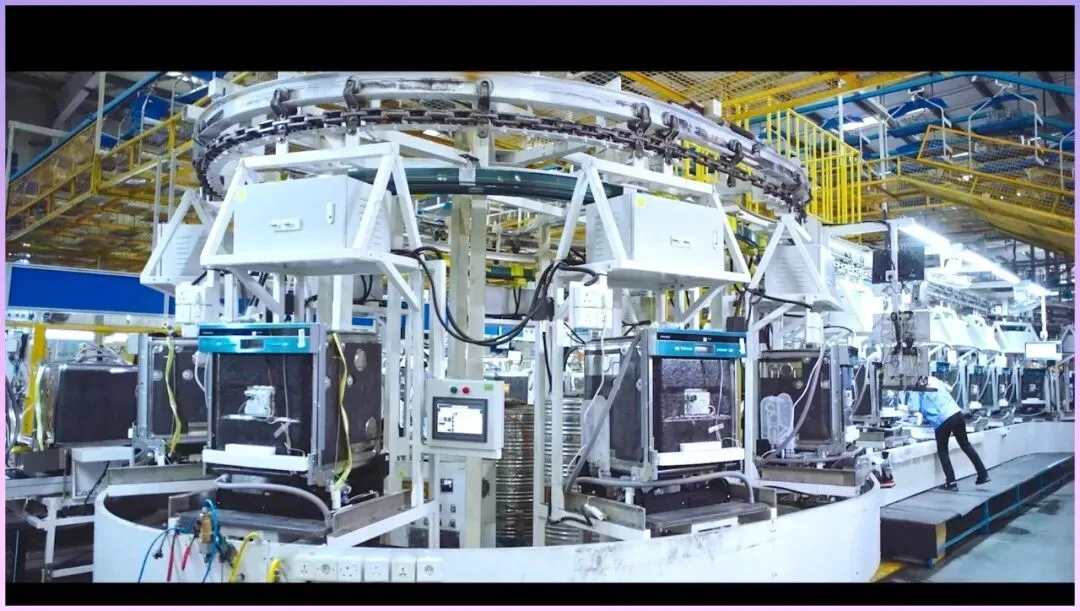
东莞的排名回落并非产业停滞,但转型节奏偏慢的结构性问题逐渐显现。虽然这座城市仍保持万亿级工业产值规模,但过度依赖电子代工、服装鞋帽等劳动密集型产业的格局尚未根本改变,传统外向型经济模式在全球供应链重组中面临增量放缓压力。相比佛山在智能制造领域的纵深布局,东莞在高端装备、新材料等新兴产业的培育力度规模不及,科教资源相对薄弱导致技术创新内生动力不足。更重要的是,土地成本持续攀升与产业链外迁叠加,使其在吸引高附加值项目方面竞争力有所减弱,这种"大而不强"的困局制约了城市能级的进一步跃升。
Dongguan's ranking decline does not signify industrial stagnation, but structural issues of lagging transformation pace are gradually emerging. Although the city still maintains a trillion-level industrial output scale, the pattern of over-reliance on labor-intensive industries such as electronics contract manufacturing and apparel remains fundamentally unchanged, with the traditional export-oriented economic model facing slowing incremental growth pressure amid global supply chain restructuring. Compared to Foshan's in-depth deployment in intelligent manufacturing, Dongguan's cultivation efforts in emerging industries like high-end equipment and advanced materials fall short in scale, while relatively weak educational resources lead to insufficient endogenous momentum for technological innovation. More importantly, the combination of continuously rising land costs and industrial chain relocation has somewhat weakened its competitiveness in attracting high-value-added projects, with this "large but not strong" predicament constraining further enhancement of the city's positioning.
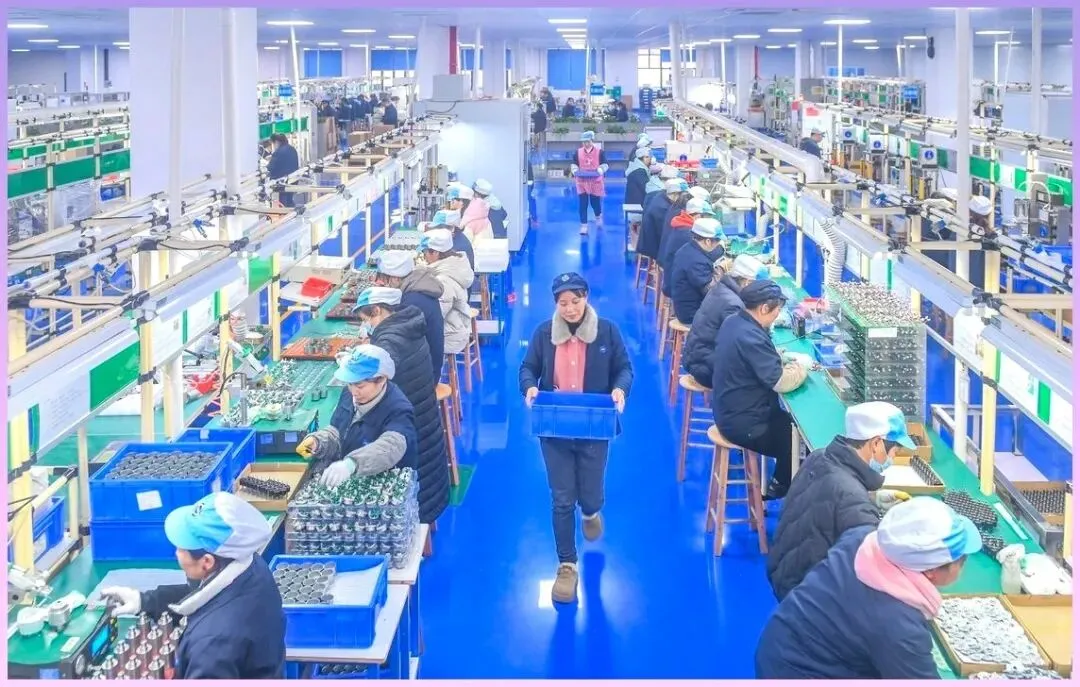
这场排名分化标志着制造业城市竞争已进入新阶段:单纯依靠规模扩张与成本优势的时代落幕,产业集群的技术密度、创新转化效率与生态完整性成为决定性因素。佛山的逆袭证明,传统制造业并非夕阳产业,通过智能化改造、品牌化运营与科创赋能,完全可以在存量中挖掘增量。东莞的调整则折射出转型阵痛的普遍性——当外部红利消退,缺乏内生增长引擎的城市将面临持续竞争力挑战。未来制造业城市的核心竞争力,将取决于能否构建"硬科技+软实力"的复合优势,在产业链价值攀升中重塑枢纽能级。
This ranking divergence marks a new stage in manufacturing city competition: the era of relying solely on scale expansion and cost advantages has ended, with the technological density of industrial clusters, innovation commercialization efficiency, and ecosystem integrity becoming decisive factors. Foshan's comeback proves that traditional manufacturing is not a sunset industry—through intelligent transformation, brand-based operations, and innovation empowerment, it is entirely possible to extract incremental growth from existing capacity. Dongguan's adjustment reflects the universality of transformation pains—when external dividends recede, cities lacking endogenous growth engines will face sustained competitiveness challenges. The core competitiveness of future manufacturing cities will depend on whether they can construct composite advantages of "hard technology + soft power," reshaping hub positioning through industrial chain value ascension.
注:数据来源:《2026年度中国百强城市指数》本文为城市发展趋势分析,相关描述基于公开信息和行业观察,具体排名以官方榜单为准。