哪些商标数据里藏着品牌风险信号? | WHICH TRADEMARK DATA EXPOSE RISK SIGNALS?
- 更新时间 2026-10-18 03:11:34
一、一场“看不见的战争”,每天都在5000万件商标里上演
A Silent War Raging Inside 50 Million Trademarks Every Day
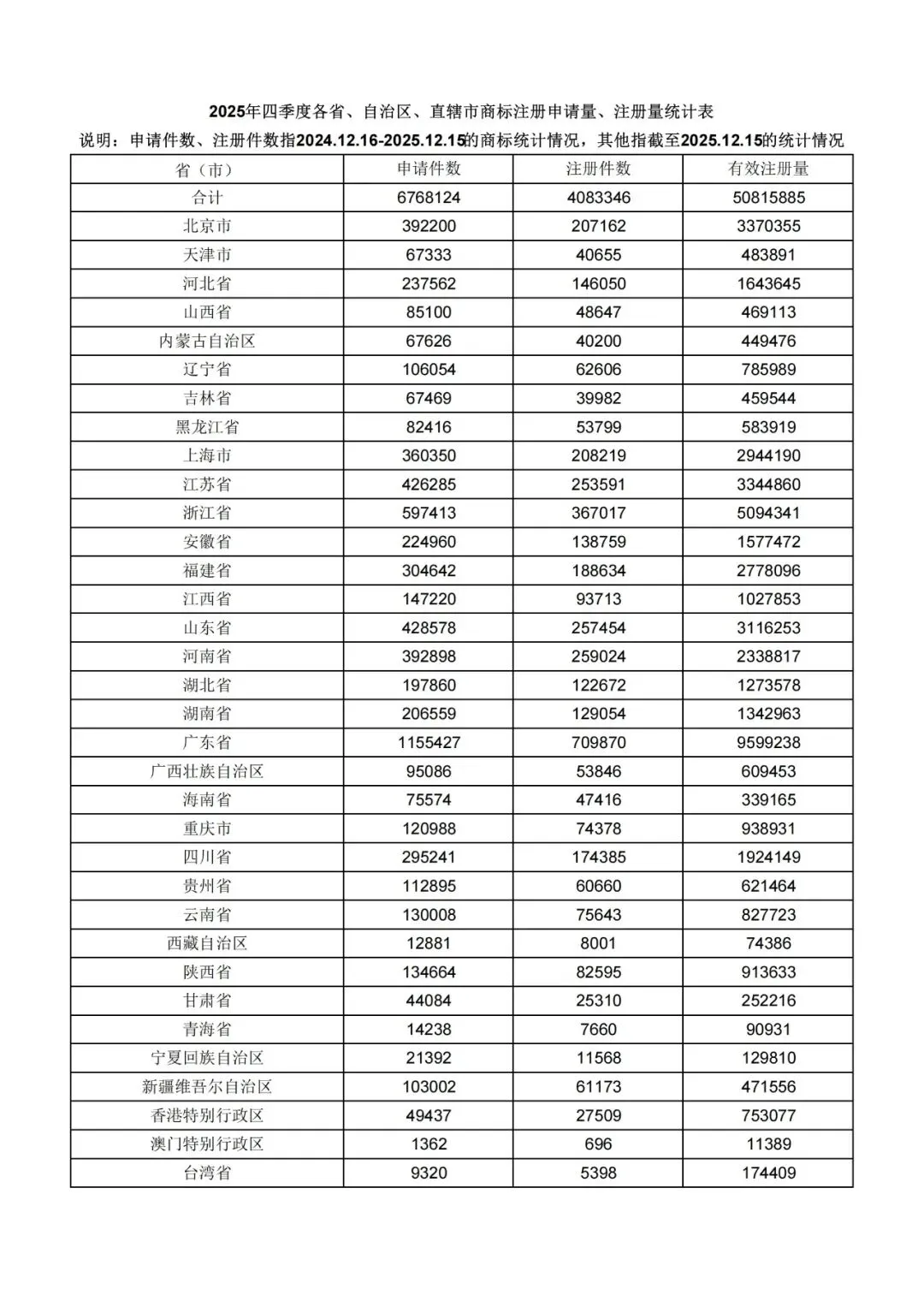
截至2025年底,我国国内有效注册商标量已达4987.7万件,逼近5000万大关。全年注册商标420.6万件,审结各类商标评审案件38.4万件,异议案件11.2万件。
这是什么概念?相当于每天有近2万件新商标涌入这个“存量池”。Clarivate的数据显示,全球活跃商标已超过1.2亿件,仅中国大陆2025年就提交了676万件商标申请。
As of the end of 2025, China's domestic valid registered trademarks reached 49.877 million. A total of 4.206 million trademarks were registered during the year, with 384,000 appraisal cases and 112,000 opposition cases concluded. Clarivate data shows over 120 million active marks worldwide, with China mainland alone filing 6.76 million trademark applications in 2025.
国家知识产权局2025年度商标异议评审典型案例中,“问界出行”被“傍名牌”、“高纪凡”被恶意攀附、“宁王科创”蹭宁德时代商誉等案件赫然在列。这些案件背后有一个共同的逻辑:品牌越响,商标数据上的“警报”就越密集。
The CNIPA's 2025 typical cases include the opposition against "问界出行" for free-riding, the malicious registration of new-energy entrepreneur "高纪凡"'s name, and "宁王科创" improperly leveraging CATL's reputation. The logic is consistent: the stronger the brand, the more alarms its trademark data triggers.
问题来了——到底哪些商标数据在暴露品牌风险?
The question is: which trademark data points actually expose brand risk?

二、信号一:驳回率高位运行,“名字荒”时代来了
Signal 1: Chronically High Rejection Rates — The "Name Shortage" Era
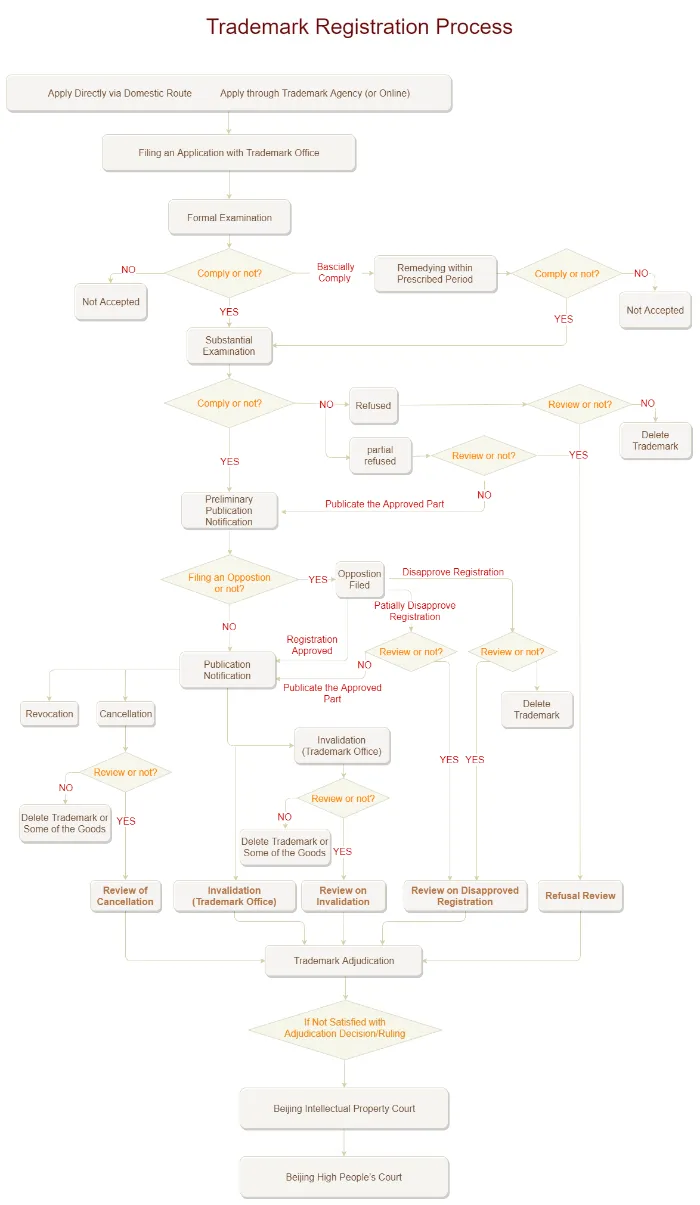
根据公开数据,2024年我国商标注册初审驳回率为46.1%,2025年持续高于40%。餐饮类商标驳回率约42%,超70%因“近似商标”被拒。
The initial rejection rate for trademark applications reached 46.1% in 2024 and remained above 40% in 2025. The rejection rate in the food & beverage sector is approximately 42%, with over 70% of rejections citing "similar marks".
在超5000万件商标“占坑”的背景下,每天将近2万件新增申请涌入,好听、好记的名字基本被注册殆尽。更值得关注的是,驳回后的复审成功率并不乐观。2025年数据显示,未委托专业代理机构、仅提交简单申辩的案件,复审成功率不足8%;因缺乏显著性被驳回的案件,复审成功率甚至不足15%。
Behind the 50-million-mark wall, nearly 20,000 new applications flood in daily, leaving few attractive names unclaimed. Worse still, for rejections based on lack of distinctiveness, the review success rate is below 15%.
风险信号:驳回率持续走高意味着品牌命名空间急剧收窄。如果你的商标注册申请频繁被驳,不仅是名字的问题,更说明品牌在“显著性”和“差异化”上先天不足。一个连商标局都分不清的品牌名,消费者凭什么分得清?
Risk Signal: Rising rejection rates signal a shrinking naming space. Frequent rejections suggest your brand lacks inherent distinctiveness — if the trademark office can't distinguish you, neither can consumers.
三、信号二:“撤三”申请7年翻了4倍,闲置商标正在被清算
Signal 2: Cancellation Actions Quadrupled in 7 Years — Idle Marks Under Siege
自2017年起,我国“撤三”(撤销连续三年不使用注册商标)申请量从5.6万件激增至2024年的22.9万件,7年间增长超过4倍。
Since 2017, China's non-use cancellation applications surged from 56,000 to 229,000 in 2024 — a fourfold increase in just seven years.
2025年,国知局进一步修订了“撤三”申请指南,提高了申请人举证门槛,要求提供注册人经营状态调查报告、不少于3个平台的整页检索截图等系统性证据。但即使门槛提高,2026年的审查对“真实商业使用”的认定仍在收紧——空合同、内部样品、纯境外使用统统不算数。
In 2025, the CNIPA revised the cancellation guidelines, raising the evidentiary bar for applicants. Yet the scrutiny of "genuine commercial use" is tightening — empty contracts, internal samples, and purely overseas use don't count.
很多企业的做法是“先注册再说”,把商标当资产囤着。但这在数据层面会形成一个危险信号:注册了不用的商标,就像在战场上竖了一面旗却不派人守——任何竞争对手都可以向你发起“撤三”,而且成本极低。
Many companies adopt a "register first, use later" strategy. But unused trademarks are like flags planted without defenders — any competitor can launch a low-cost cancellation attack.
风险信号:如果你的商标注册超过3年但缺乏商业化使用证据,它就是一颗随时可能被撤掉的“哑弹”。更关键的是,撤三失败后商标被撤销,品牌将彻底失去法律保护。
Risk Signal: If your trademark has been registered for over 3 years without commercial use evidence, it's a dud waiting to be defused — losing it means losing all legal protection.

四、信号三:异议与无效宣告,品牌冲突的“数字指纹”
Signal 3: Oppositions and Invalidations — The "Digital Fingerprint" of Brand Conflicts
2026年2月,国家知识产权局单月公开无效宣告裁定2598件,其中69.7%被宣告无效,维持注册仅约30%。同期,“心机商标”专项治理已依职权无效3351件。
In February 2026 alone, the CNIPA published 2,598 invalidation rulings, with 69.7% resulting in invalidation — only about 30% survived. Meanwhile, the "scheming trademark" special enforcement invalidated 3,351 marks ex officio.
2025年度典型案例中,“ETKHO”商标异议案认定关联主体间存在意思联络,有效规制了借助关联公司实施恶意抢注的行为;袁隆平院士肖像图被恶意注册为商标,被依法宣告无效。
In the 2025 landmark cases, the "ETKHO" opposition effectively curbed malicious registration through affiliated entities, while a trademark misappropriating Yuan Longping's portrait was invalidated.

风险信号:当一个品牌频繁出现在异议或无效宣告案件中——无论是作为申请人还是被申请人——这本身就是品牌冲突的“数字指纹”。你被提无效的概率约70%,而主动提无效的成功率也不低,这意味着商标战的攻防成本正在拉平。
Risk Signal: Frequent appearances in opposition or invalidation cases — whether as applicant or respondent — constitute a "digital fingerprint" of brand conflict. With a 70% invalidation rate for challenged marks, the cost of trademark warfare is flattening on both offense and defense.
举个例子:2025年2月,国家知识产权局依法驳回63件恶意抢注“DEEPSEEK”商标的申请,其中深圳一家公司一口气申请了54个相关商标。这种“数据异常”——同一申请人短期内集中申请同一热词——就是最典型的恶意抢注信号,也是被抢注品牌需要立刻启动防御机制的警报。
In February 2025, the CNIPA rejected 63 malicious "DEEPSEEK" trademark applications, with one Shenzhen company filing 54 of them. Such data anomalies — concentrated filings of the same hot term by a single applicant — represent the most typical malicious squatting signal.
五、信号四:出海商标被抢注比例创三年新高
Signal 4: Overseas Trademark Squatting Hits Three-Year High
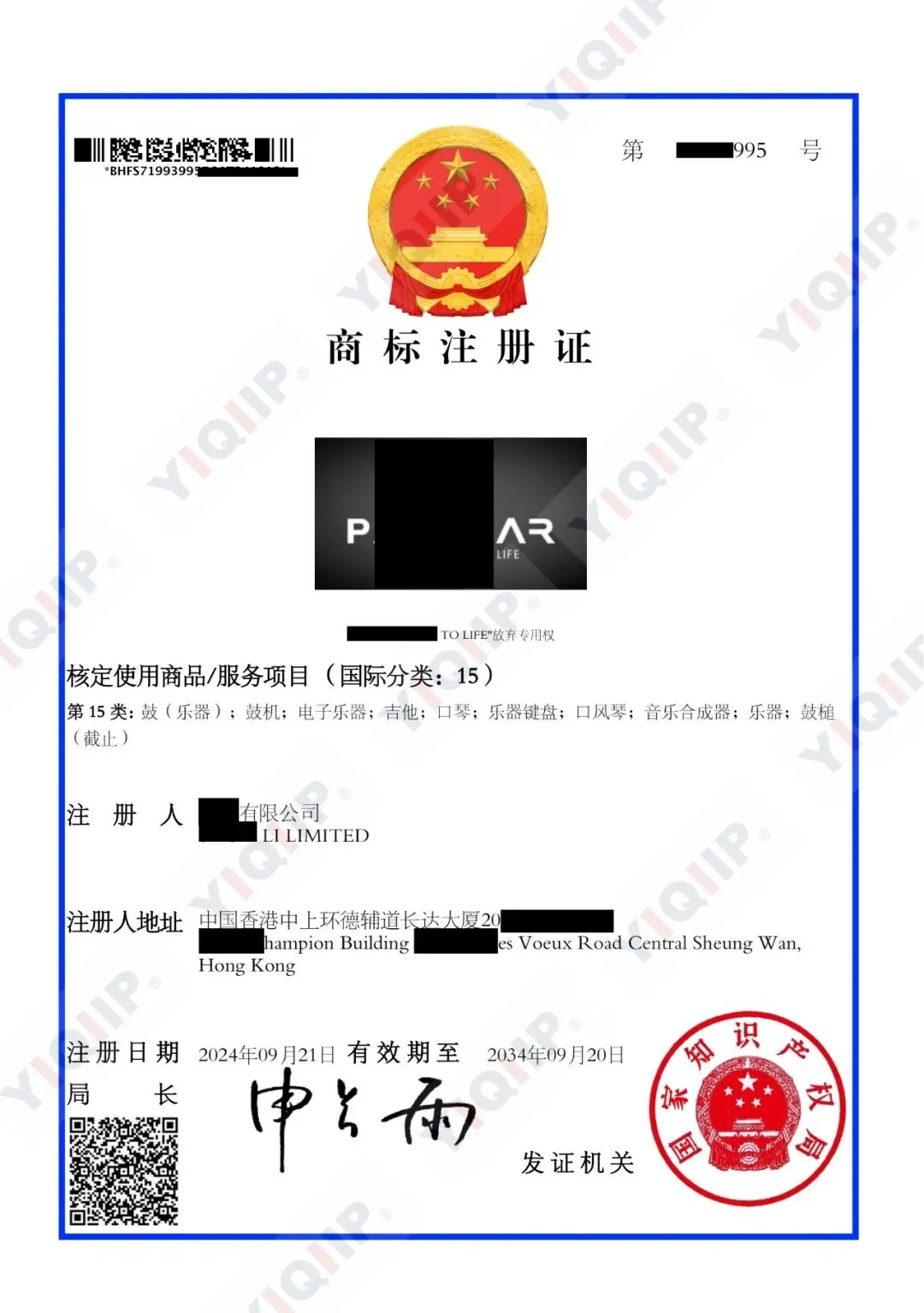
根据中华商标协会发布的《2025年度国际商标监测预警报告》,针对396家企业会员在全球196个国家/地区开展监测,发现有85家知名企业的商标有被抢注记录,年度被抢注占比达21.5%,为近3年最高值。
According to the China Trademark Association's 2025 International Monitoring Report, among 396 member companies monitored across 196 countries and regions, 85 well-known enterprises had their trademarks squatted — a 21.5% annual rate, the highest in three years.
浙江已为588家人工智能企业的1088个核心商标进行筛查,发现海外风险商标疑似抢注数据1439条。合肥保护中心帮助车企梳理2.5万余条商标注册数据,锁定200余条高风险信息,拦截了墨西哥、意大利等核心市场的多起恶意抢注。
Zhejiang screened 1,088 core trademarks of 588 AI companies, uncovering 1,439 suspected overseas squatting records. Hefei's protection center reviewed over 25,000 trademark records for automakers and intercepted malicious filings in Mexico and Italy.
海外商标抢注的典型套路是什么?中国企业先将产品销售给海外经销商,经销商在合作中嗅到品牌价值,抢先在当地注册商标,再向中国企业索要转让费。典型案例是洽洽食品在德国被抢注,对方开价1.8万欧元转让费,洽洽拒绝后经历了长达7年的维权持久战。
The typical playbook: overseas distributors spot brand value, register the trademark locally before the Chinese company does, then demand a transfer fee. The Chacha case — squatted in Germany with a €18,000 buyout demand and a 7-year legal battle — remains a cautionary tale.
风险信号:出海商标被抢注比例逐年攀升,是品牌国际化进程中最危险的数据盲区。如果你的品牌有出海计划但没有提前进行全球商标检索和布局,你的品牌名可能在某个国家已经“名花有主”了。
Risk Signal: Rising overseas squatting rates represent the most dangerous blind spot in brand globalization. Without proactive global trademark searches, your brand name may already be "taken" in key markets.

六、信号五:商标诉讼正在反噬品牌自身
Signal 5: Trademark Litigation Is Backfiring on Brand Owners
LVMH集团2026年第三季度财报显示,中国客群需求下降15%,亚洲市场成为其唯一有机收入负增长的区域。集团CFO首次承认,LV起诉茉莉奶白商标侵权一事“至少在季度初确实产生了负面影响”。
LVMH's Q3 2026 earnings revealed a 15% decline in Chinese customer demand, with Asia becoming its only region of negative organic growth. The CFO admitted for the first time that LV's lawsuit against tea brand Molly Tea "did have a negative impact at least in early part of the quarter".
这场官司的问题出在数据层面:LV在2021年至2025年间累计在华发起1691起商标维权案件,2026年上半年又新增56起。当一个品牌在商标数据上的“攻击性”过高,消费者会将其解读为“以大欺小”,而非“正当维权”。
The problem lies in the data: LV filed 1,691 trademark enforcement cases in China from 2021 to 2025, with 56 more in H1 2026. When a brand's "aggressiveness" in trademark data becomes statistically visible, consumers interpret it as bullying, not legitimate defense.

类似的还有“遇见小面”起诉河南南阳一家8元面馆“渝见小面”商标侵权,对方律师称撤诉需赔偿七八千元。“渝见小面”负责人哭诉“我八块钱一碗的面,至少得卖1000碗,1000碗还有成本”。事件发酵后,“遇见小面”创始人凌晨致歉,决定无偿赠予已注册的“渝见小面”商标,并中止与外包律所的合作。
Similarly, restaurant chain "遇见小面" sued an 8-yuan noodle shop "渝见小面" for trademark infringement, demanding 7,000–8,000 yuan in settlement. The shop owner's tearful response — "I need to sell at least 1,000 bowls just to cover the cost" — triggered public backlash. The chain's founder eventually apologized at dawn and transferred the trademark for free.
风险信号:商标维权数据中的“诉讼密度”正在成为一个品牌形象指标。维权过度不仅无法保护品牌,反而可能在消费者心中种下“傲慢”的种子。这是一个残酷的悖论——你的商标数据越“强势”,品牌声誉的裂痕可能越大。
Risk Signal: "Litigation density" in trademark data is emerging as a brand image metric. Over-enforcement doesn't protect the brand — it plants seeds of arrogance in consumers' minds. A cruel paradox: the more "aggressive" your trademark data, the deeper the cracks in your brand reputation.

品牌风险评估,不能漏掉商标! | YOUR BRAND RISK ASSESSMENT SHOULD COVER TRADEMARKS.
外籍个人如何注册中国商标?| HOW DO FOREIGNERS REGISTER TRADEMARKS IN CHINA?
你有商标问题,我有商标方案。| TRADEMARK SOLUTIONS HERE.
七、品牌怎么管好商标数据?
How Should Brands Manage Their Trademark Data?
综合以上五个信号,一套基本的商标数据风控框架呼之欲出:
Drawing from these five signals, a basic trademark data risk framework emerges:
第一,监测数据异常。关注同一申请人短期内集中申请你的品牌相关商标的行为——这是抢注的前兆。CNIPA已明确表示将保持打击商标恶意注册的高压态势。
First, monitor data anomalies.Watch for concentrated filings of your brand-related marks by a single applicant — a precursor to squatting.
第二,建立使用证据链。每个注册商标都要配套真实的商业使用记录:销售合同、发票、电商后台数据、包装实拍、时间戳宣传物料。没有使用证据的商标,在“撤三”面前不堪一击。
Second, build an evidence chain.Every registered mark needs genuine commercial use records: sales contracts, invoices, e-commerce data, packaging photos, timestamped materials.
第三,出海先查再走。商标国际注册申请的类别选择至关重要——第9类(计算机软件、电子元件)、第35类(广告、商业管理)是最拥挤的类别,冲突风险也最高。
Third, search before you go global.Class 9 (computer software, electronics) and Class 35 (advertising, business management) are the most crowded and conflict-prone categories.

第四,维权要算“品牌账”。商标诉讼的法律胜诉和品牌胜负是两码事。LV赢了官司但输了中国客群的需求,遇见小面发了律师函但触发了消费者储值退款的连锁反应。维权之前,先看看自己的商标数据在消费者眼中会呈现什么样的“品牌画像”。
Fourth, calculate the brand cost of enforcement.Winning a lawsuit and winning brand equity are different things. Before enforcing, check what "brand portrait" your trademark data paints in consumers' eyes.
4987.7万件商标的存量池里,每一件都是一张“底牌”。但底牌太多、出牌太猛、握着不打,都会暴露风险。真正的品牌护城河,不在于你注册了多少商标,而在于你能用数据读懂品牌风险的信号,在该防守时防守,在该克制时克制。
Inside the pool of 49.877 million trademarks, every registration is a card. But holding too many, playing too aggressively, or never playing at all — each strategy exposes risk. A true brand moat isn't measured by how many trademarks you own, but by whether you can read the risk signals in your data — defending when necessary, and showing restraint when it matters more.