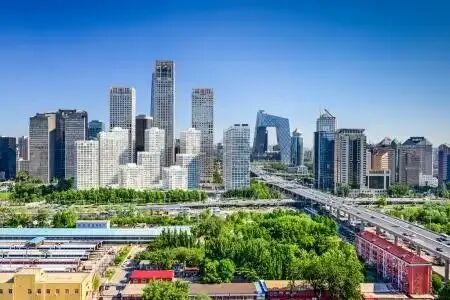
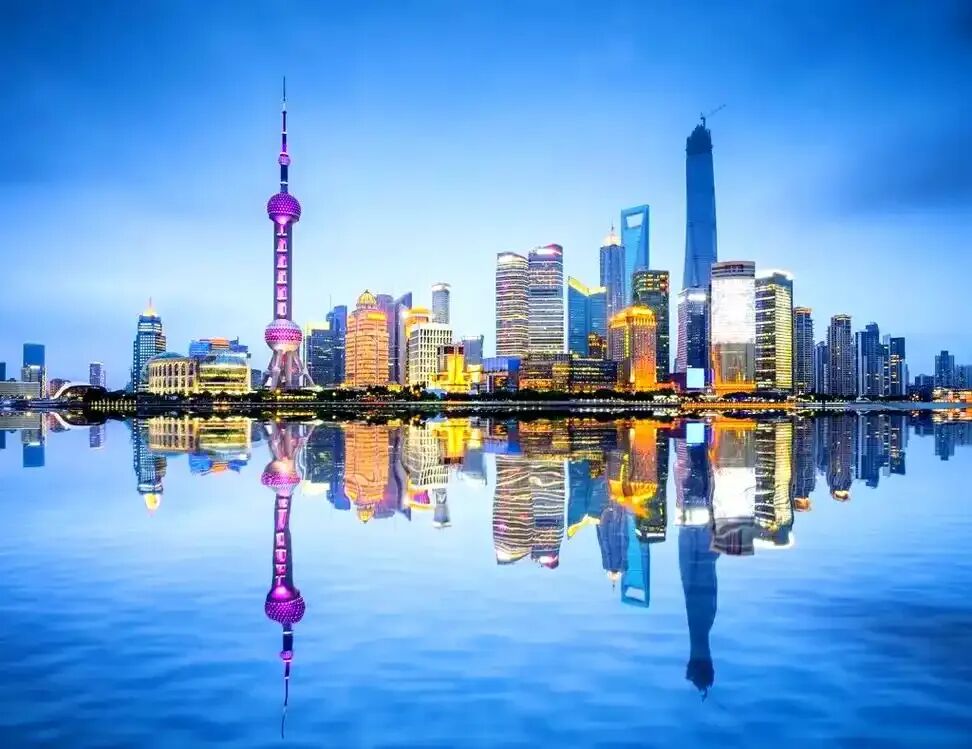
翻看 2025 全国百强城市完整榜单,北京稳居全国第 1、上海锁定第 2,两座一线城市形成断层式领跑,与第三名深圳拉开万亿级经济体量差距,牢牢守住国内城市第一梯队,短时间内没有其他城市具备赶超二者的实力。数十年城市发展进程中,北上交替领跑榜单,始终牢牢压制其余所有城市,头部优势持续放大。
Scanning the full 2025 top 100 city list, Beijing firmly holds the 1st spot and Shanghai secures 2nd place. The two first-tier cities lead by an overwhelming margin, with a trillion-yuan economic volume gap separating them from the 3rd-ranked Shenzhen, firmly occupying China’s top urban tier. No other city has the capacity to overtake them in the short term. Across decades of urban development, Beijing and Shanghai have alternately topped rankings, constantly outperforming all other cities with widening leading edges.
北京作为全国政治、文化、科创中心,拥有独一无二的顶层资源。众多央企总部、国家级科研院所、顶尖高校集聚于此,高端服务业、战略新兴产业根基深厚。榜单评分中,北京在科研投入、文化影响力、总部经济、高端人才储备四大维度拿到满分级别成绩,城市发展上限远高于普通经济强市,政策、资源优势无可替代。
As China’s national political, cultural and scientific innovation center, Beijing possesses unrivaled top-tier resources. It hosts numerous central enterprise headquarters, national research institutes and top universities, boasting solid foundations in high-end service industries and strategic emerging sectors. In list scoring, Beijing earned near-full marks across four dimensions: research investment, cultural influence, headquarters economy and high-end talent reserves. Its upper limit for urban development far exceeds ordinary economically strong cities, with irreplaceable policy and resource advantages.
排名第二的上海,核心竞争力聚焦金融、国际贸易与高端制造业。国内金融机构、证券交易所落地上海,港口贸易吞吐量常年全球首位,汽车、航空、生物医药高端制造产业链完善。依托长三角一体化核心区位,上海辐射带动江浙皖全域经济流通,商贸流通、外资吸引力常年全国第一,实体经济与金融产业双向赋能城市增长。
Shanghai, ranked 2nd, centers its core competitiveness on finance, international trade and high-end manufacturing. Domestic financial institutions and stock exchanges are based here, with port trade throughput ranking first globally each year. It features complete industrial chains for high-end manufacturing including automobiles, aviation and biomedicine. As the core hub of the Yangtze River Delta Integration, Shanghai drives economic circulation across Jiangsu, Zhejiang and Anhui. Its commercial circulation and foreign capital attraction consistently top the nation, with real economy and finance mutually fueling urban growth.
北上与第三名深圳的万亿级差距,体现在财政收入、人均 GDP、高端产业规模等多重指标。其余新一线、二线城市无论如何发力,都很难撼动两大龙头地位。未来北上会持续发挥引领作用,北京深耕科创与总部经济,上海做强全球金融贸易枢纽,持续拉大与后方城市的断层优势,长期稳居榜单前两名。
The trillion-yuan gap between Beijing, Shanghai and third-placed Shenzhen manifests in multiple indicators such as fiscal revenue, per capita GDP and high-end industrial scale. No matter how vigorously other new first-tier and second-tier cities develop, they can hardly shake the two leaders’ status. Going forward, Beijing and Shanghai will maintain their leading roles: Beijing deepens scientific innovation and headquarters economy, while Shanghai strengthens its position as a global financial and trade hub, widening the overwhelming gap with trailing cities and permanently occupying the top two rankings.