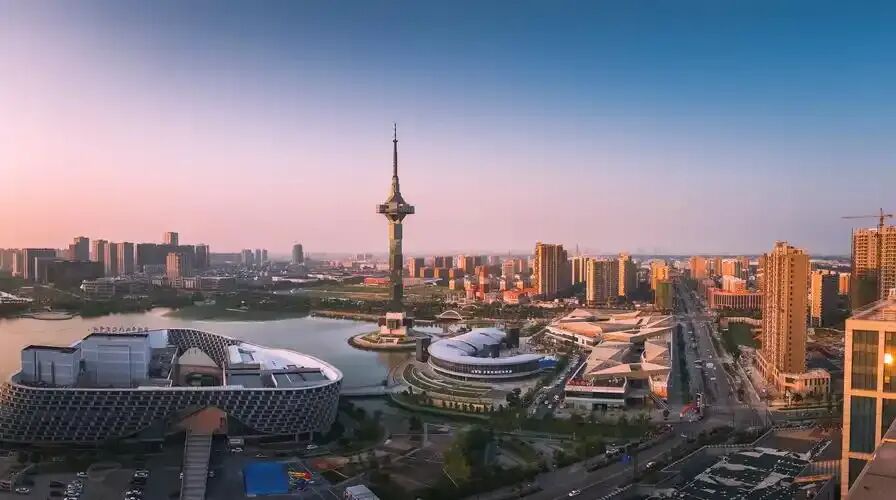
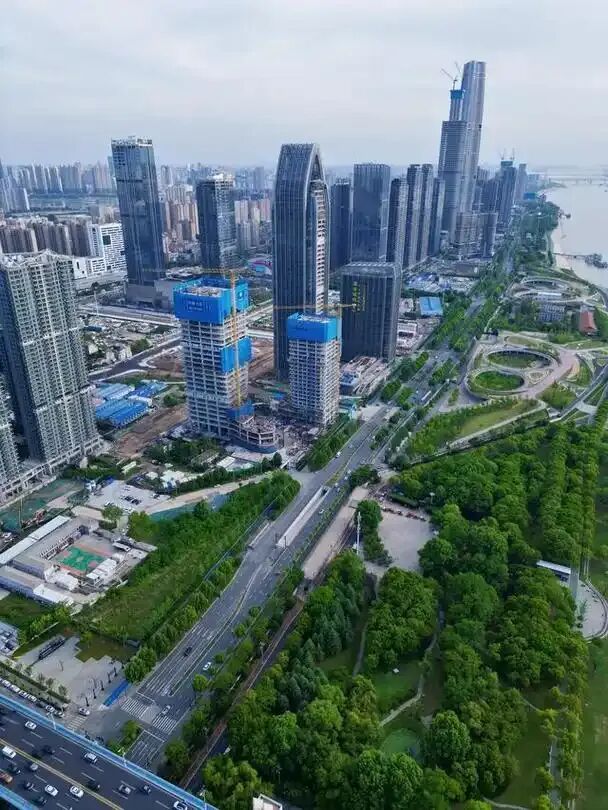
2025年华顿百强前20席位格局彻底定型,东部经济强省牢牢垄断顶级梯队,区域分化特征极为鲜明。榜单数据显示,浙江占据2席、江苏拿下3席、广东坐拥3席,东部三省包揽八成以上前二十席位,而广袤的中西部地区仅武汉一城成功入围,顶级城市的区域集中度愈发凸显。
The top 20 pattern of the 2025 Huaton Top 100 Cities list is completely fixed, with strong eastern provinces monopolizing the top echelon and distinct regional differentiation. Ranking data shows that Zhejiang occupies 2 seats, Jiangsu 3 seats and Guangdong 3 seats, with the three eastern provinces holding over 80% of top-20 positions. In contrast, only Wuhan in the vast central and western regions enters the top 20, reflecting increasingly prominent regional concentration of top-tier cities.
东部三省的头部城市各有特色、实力硬核。江苏入围前十的南京、苏州,外加前二十的无锡,三城依托高端制造与科创产业站稳顶级梯队,产业质量高、均衡性极强;广东的深圳、广州、佛山依托科创、商贸、硬核制造多维发力,综合能级领跑华南;浙江的杭州、宁波凭借数字经济与临港制造,稳居全国上游。
The top cities of the three eastern provinces have unique hardcore strengths. Jiangsu’s Nanjing and Suzhou in the top 10 and Wuxi in the top 20 secure top-tier positions relying on high-end manufacturing and innovative industries with high industrial quality and strong balance; Guangdong’s Shenzhen, Guangzhou and Foshan lead South China in comprehensive level via innovative industry, commerce and hardcore manufacturing; Zhejiang’s Hangzhou and Ningbo steadily rank high nationwide relying on digital economy and port manufacturing.
中西部地区幅员辽阔、人口众多,但仅武汉跻身前二十梯队。成都、重庆、长沙、合肥等中西部强市均落在20名开外,核心短板集中在高端科创集聚度、高端产业密度、外向经济活力不足,顶级城市培育速度远落后于东部沿海省份。
Despite vast territory and large population, central and western regions have only Wuhan in the top 20. Strong central and western cities such as Chengdu, Chongqing, Changsha and Hefei all rank beyond 20th, mainly due to insufficient high-end innovation aggregation, high-end industrial density and export-oriented economic vitality, resulting in slower cultivation of top-tier cities than eastern coastal provinces.
前二十席位的区域格局,清晰勾勒中国城市顶级竞争力版图。东部领跑、中部单点突围、西部梯队滞后的现状,印证区域发展差距依旧显著,也预示未来城市顶级竞争,仍将集中在苏浙粤三省的头部城市之间展开。
The regional pattern of top-20 seats clearly outlines the landscape of China’s top urban competitiveness. The dominant eastern region, single-point breakthrough in central China and lagging western echelon prove that regional development gaps remain prominent, indicating that future top-tier urban competition will still focus on leading cities in Jiangsu, Zhejiang and Guangdong.