These Countries Hold Most of the World’s Copper
全球铜储量最多的国家排名
Key Takeaways 关键要点 仅智利一国的铜储量就高达1.8亿吨,几乎是第二大储量国的两倍。 全球超过一半的铜储量集中在五个国家手中。 目前已探明储量(9.8亿吨)超过了人类有史以来的铜矿开采总量。 |
Copper is one of the world’s most critical metals, powering everything from construction to electric vehicles and renewable energy systems. As demand rises, where this resource is located is becoming increasingly important.
铜是当今世界最重要的战略金属之一,广泛应用于建筑、电动汽车及可再生能源系统等领域。随着全球需求持续攀升,铜资源的地理分布格局正变得日益关键。
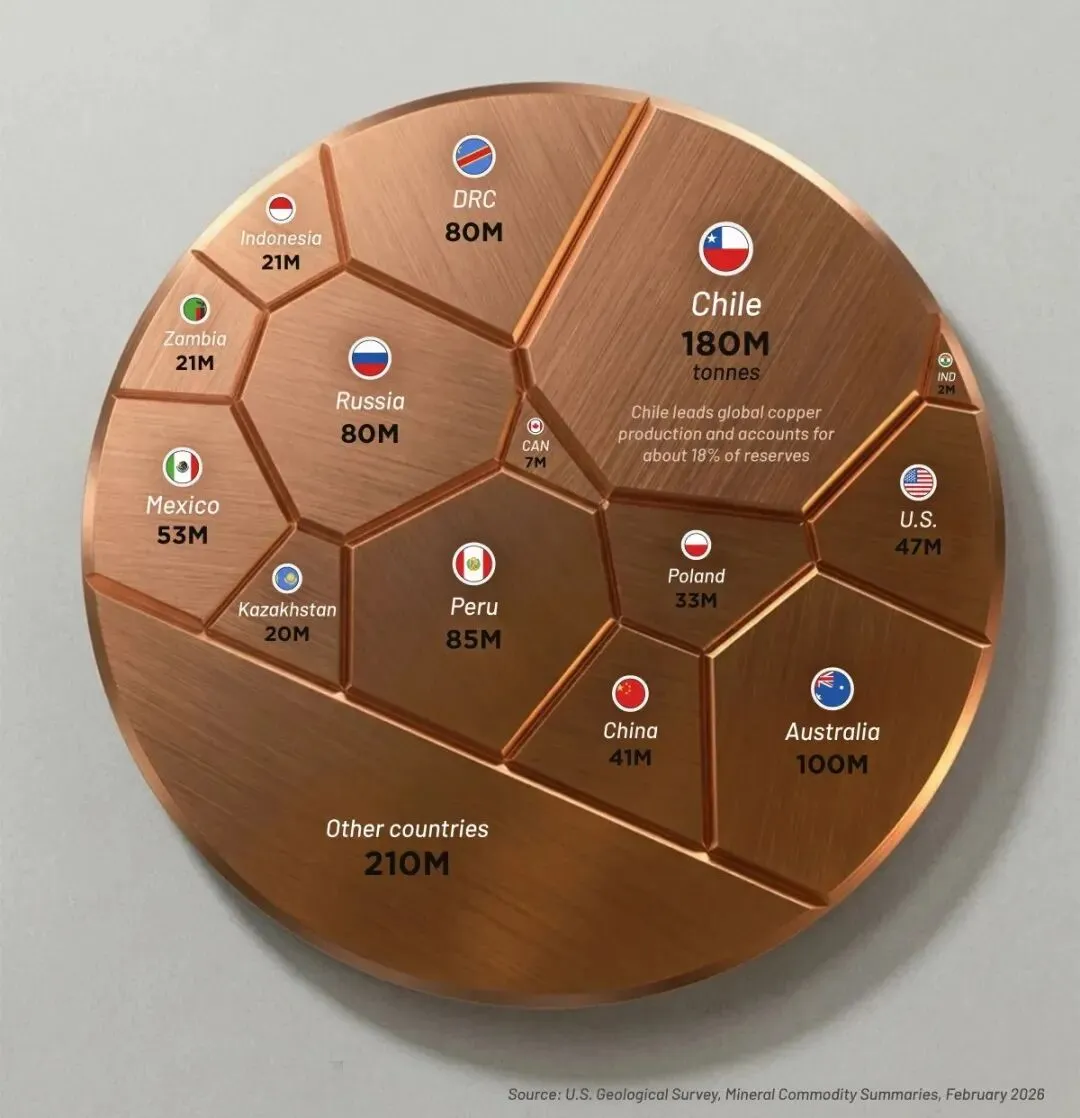
This visualization shows global copper reserves by country using data from the U.S. Geological Survey (2026), highlighting which nations hold the largest known deposits and how concentrated supply really is.
本可视化图表基于美国地质调查局(2026年)数据,呈现各国铜储量分布,揭示哪些国家坐拥最大已探明矿藏,以及全球铜供应的集中程度。
Demand for copper is expected to surge in the coming decades, driven by electrification, AI infrastructure, and the expansion of power grids. This makes the geographic distribution of reserves more strategically important than ever.
未来数十年,在电气化转型、人工智能基础设施建设及电网大规模扩张的共同驱动下,铜需求预计将大幅跃升。铜储量的地理分布也因此具有前所未有的战略意义。
Chile Dominates Global Copper Reserves
智利独占全球铜储量鳌头
Chile dominates global copper reserves with 180 million tonnes—nearly double Australia, the next largest holder, giving it unmatched influence over global copper supply at a time when demand is rapidly rising.
智利以1.8亿吨的铜储量位居全球首位,几乎是第二大储量国澳大利亚的两倍。在全球铜需求加速增长的当下,智利对国际铜供应体系拥有举足轻重的影响力。
Rank 排名 | Country 国家 | Reserves (Mt) 铜储量(百万吨) |
1 | Chile 智利 | 180 |
2 | Australia 澳大利亚 | 100 |
3 | Peru 秘鲁 | 85 |
4 | Congo (DRC) 刚果(金) | 80 |
5 | Russia 俄罗斯 | 80 |
6 | Mexico 墨西哥 | 53 |
7 | United States 美国 | 47 |
8 | China 中国 | 41 |
9 | Poland 波兰 | 33 |
10 | Indonesia 印度尼西亚 | 21 |
11 | Zambia 赞比亚 | 21 |
12 | Kazakhstan 哈萨克斯坦 | 20 |
13 | Canada 加拿大 | 7 |
14 | India 印度 | 2 |
-- | Other countries 其它国家 | 210 |
-- | World total (rounded) 世界总量 | 980 |
Chile’s reserves account for about 18% of the global total, reinforcing its position as the world’s top producer.
智利储量约占全球总量的18%,进一步巩固了其世界第一大铜生产国的地位。
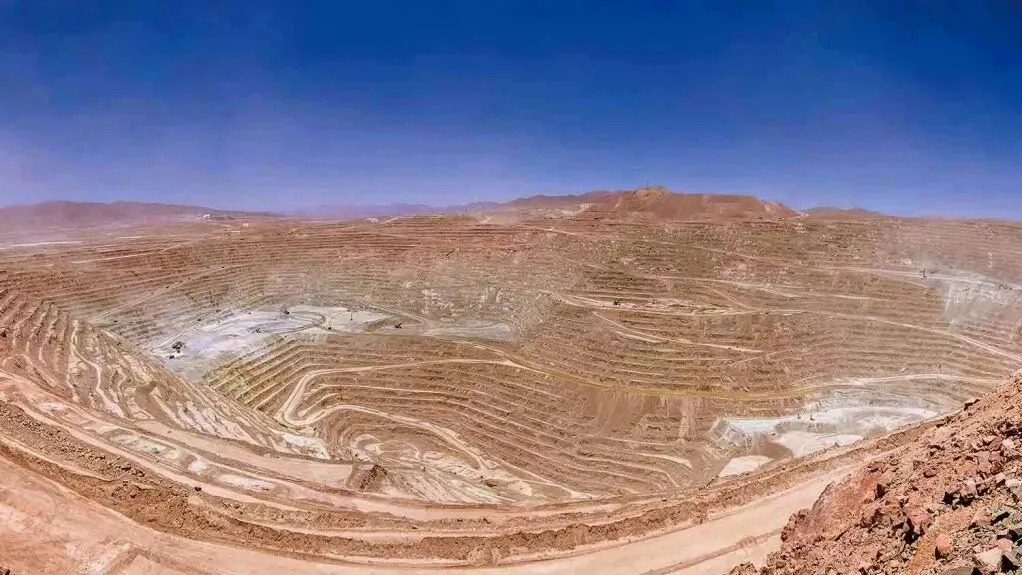
These vast deposits, particularly in the Atacama Desert, have made Chile central to global copper supply chains. Australia and Peru also have significant reserves, but are in a distinct second tier behind Chile.
智利的巨大矿藏,尤其是位于阿塔卡马沙漠的矿区,使其成为全球铜供应链的核心。澳大利亚和秘鲁也拥有大量储量,但与智利相比仍有明显差距,处于第二梯队。
Reserves Are Concentrated in a Few Regions
铜储量集中在少数地区
Copper reserves are highly concentrated: the top five countries—Chile, Australia, Peru, the DRC, and Russia—hold more than half of the world’s known supply.
全球铜储量呈现高度在智利、澳大利亚、秘鲁、刚果民主共和国与俄罗斯,五国合计掌握全球已探明储量的逾半数。
Australia holds about 100 million tonnes, while Peru, the Democratic Republic of the Congo, and Russia each have between 80–85 million tonnes. Latin America and resource-rich regions in Africa and Eurasia dominate the list.
其中,澳大利亚储量约为1亿吨,秘鲁、刚果民主共和国和俄罗斯各约在8000万至8500万吨之间。从区域格局来看,拉丁美洲以及非洲、欧亚大陆的资源富集地区在全球铜储量版图中占据主导地位。
How Reserves Compare to Historical Production
已探明储量与历史开采量的对比
Humanity has mined over 700 million tonnes of copper throughout history, yet nearly 1 billion tonnes remain in known reserves. This highlights both the scale of remaining resources and the challenge of extracting them economically.
人类迄今已累计开采铜矿逾7亿吨,而已探明储量中仍有近10亿吨尚待开发。这一数字既彰显了现有资源的巨大潜力,也揭示了经济性开采所面临的现实挑战。
However, much of this remaining copper is harder and more expensive to extract. As demand accelerates, especially from electrification and energy systems, the gap between supply and future needs could become a defining challenge for the global economy.
剩余储量中相当一部分埋藏更深、品位更低、开采成本更高。随着电气化与能源转型需求的加速释放,供应与未来需求之间的差距可能成为全球经济面临的关键挑战。